A useful pet product review should measure what happens after the unboxing. Our scorecard gives equal visibility to pet adoption, home fit, cleaning, durability, safety and value. A high feature count cannot rescue an item that a pet avoids or an owner cannot maintain.
Why a scorecard makes reviews more honest
Pet products are unusually easy to praise too early. A bed feels soft in a hand, a fountain looks quiet in a video, and a carrier appears spacious before anyone has tried to clean it. The important evidence arrives later: where the product is placed, whether the pet returns to it, how much work it adds, and whether the useful parts survive ordinary handling.
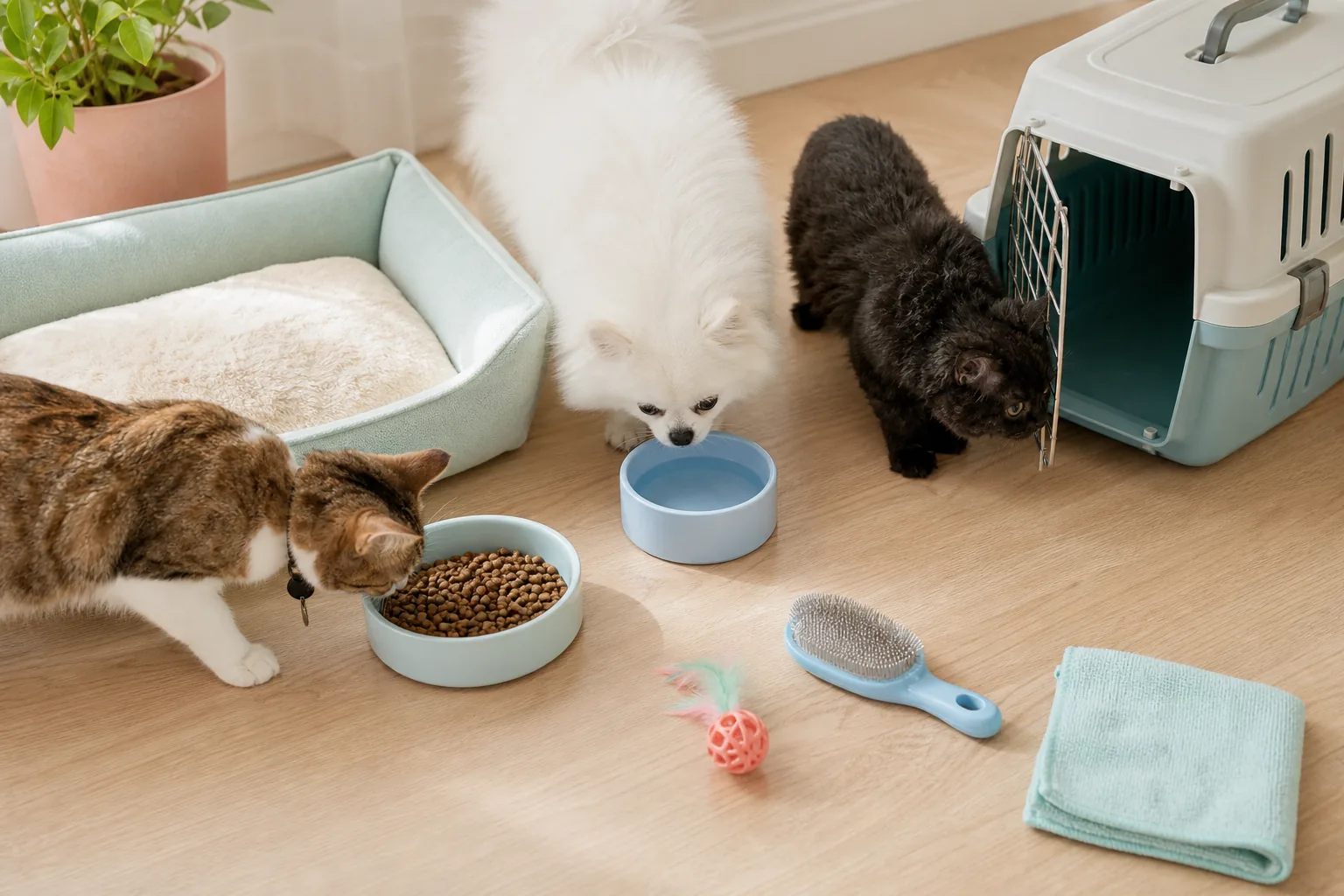
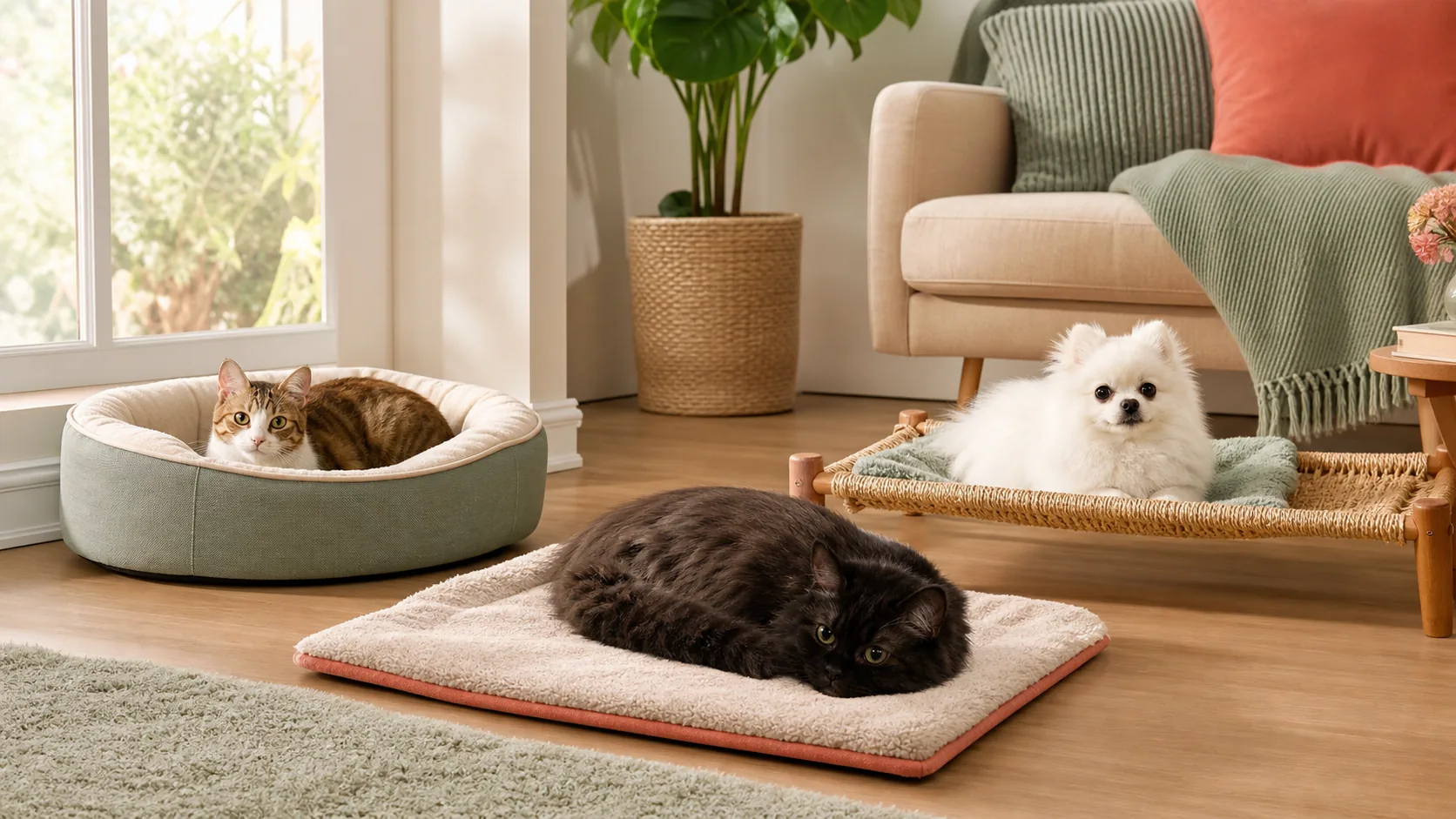
At douday, Jiaotang, Pearl and Pudding create three different tests. Jiaotang investigates quickly, Pearl is selective about scent and placement, and Pudding exposes scale and walking issues that a cat-only test would miss. We record those differences instead of compressing them into one vague opinion.
The six factors we score
| Factor | What we observe | Common warning sign |
|---|---|---|
| Adoption | Voluntary use after the novelty period | Use happens only when treats are present |
| Home fit | Footprint, placement, cable and door clearance | The item blocks a route or steals useful floor space |
| Care effort | Daily wipe-down and full cleaning time | Hidden seams trap water, litter or hair |
| Safety | Stability, snag points, edges and supervised use | The product shifts, tips or exposes loose parts |
| Durability | Wear at the parts touched most often | Fabric, clips or coatings fail before the main body |
| Value | Useful days compared with price and storage cost | A cheaper, simpler item performs the same routine |
Our 30-day review rhythm
Day one is for setup, measurements and obvious safety checks. Days two through seven are an adoption window: we avoid repeatedly moving the item or forcing interaction. During weeks two and three we clean it, store it and use every normal feature. The final week is a repeatability check. If the product only worked on its best day, the score comes down.
- Setup time and tools required
- Exact floor or counter footprint
- First voluntary interaction and repeat use
- Daily cleaning time and full-clean time
- Noise, movement, trapped hair and odor
- Visible wear after normal use
How the final score is weighted
Adoption and safety are threshold questions, not decorative points. If a product creates an avoidable hazard or none of the intended pets will use it after a fair introduction, we do not call it a winner. For products that pass those thresholds, care effort and home fit carry more weight than novelty. Durability and value complete the picture.
This is why a plain washable mat can outperform a complicated bed, or a wide bowl can beat a powered fountain in a home that cannot keep the pump clean. The score describes fit for a routine, not universal superiority.
Use the scorecard before buying
Turn each factor into a pre-purchase question. Where will the item live? Which parts touch food or water? Can those parts be reached without a special brush? What is the return plan if the pet refuses it? Where will it be stored? For a worked example, compare our fountain and bowl guide or see the full douday testing method.
Frequently asked questions
Does a high score mean every pet will like the product?
No. It means the item performed well in the stated home and test conditions. Pet preference, body size and placement still matter.
Do you score veterinary or therapeutic claims?
No. We can describe construction and observed use, but diagnosis and treatment claims require qualified veterinary evidence.
Can I use this for a one-day return window?
Use the setup, safety and cleaning questions immediately, but treat adoption as unresolved. Many pets need a gradual introduction.